
Kawaguchiko
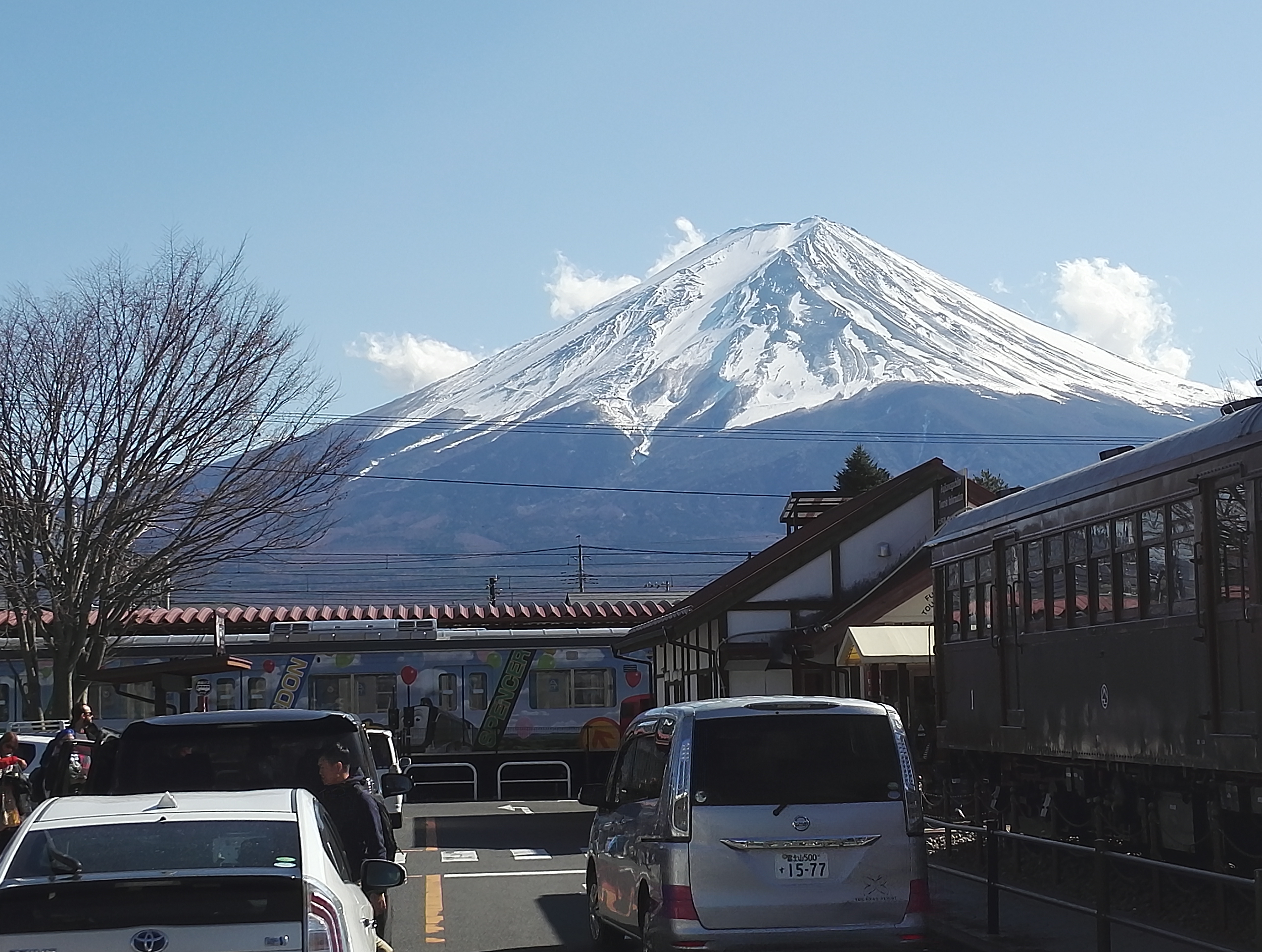
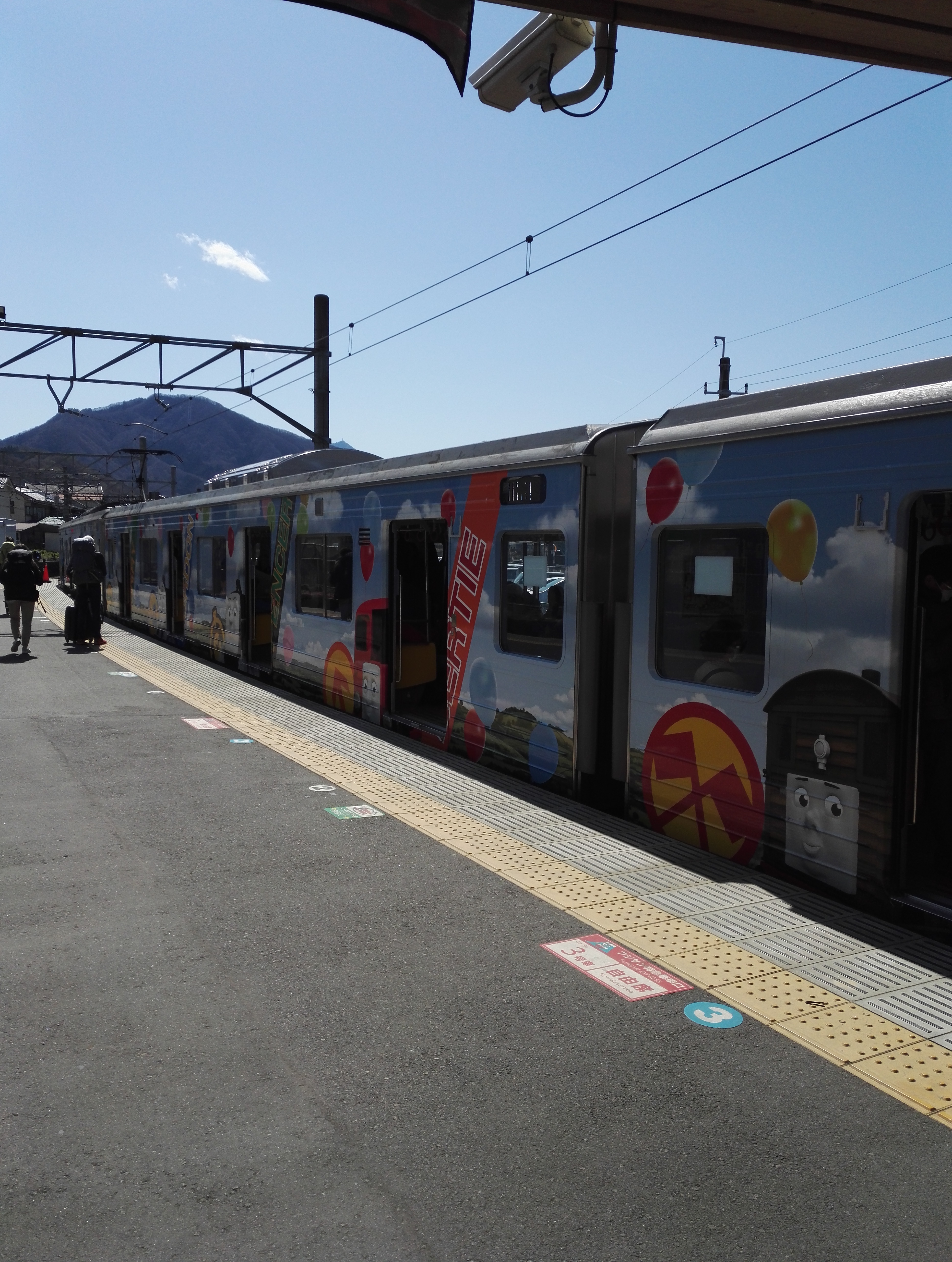
The reverse of the Yen 1000 banknote features an iconic image of Mount Fuji, shown reflected in the surface of Lake Motuso. If you want to replicate that shot, then Kawaguchiko, in the five lakes region, is the place to head for. It’s a few hours by train from Shinjuku to Otsuki, from where the private, expensive and very slow Fujikyu railway can be caught to visit Mount Fuji’s tourist attractions. Travel by highway bus from Shinjuku or Tokyo stations is a good option if you don’t have a JR rail pass, as it’s cheaper and faster. Is it worth the time, cost and effort? I think so, but it’s a long day trip from Tokyo and there is a lot to see, so spending a couple of days there might be better.
There are five lakes accessible by tour bus from Kawaguchiko, as well as hot springs, hotels, boat trips, hiking trails, a theme park and primeval forests. Buses run to the fifth station of Mount Fuji (half way to the summit at the tenth station), which is a good starting point for climbing the mountain. The trail is lit at night so an evening start to catch the sunrise from the summit is a possibility. It’s a half day climb though and only experienced climbers should attempt the ascent outside of the official July to September climbing season.
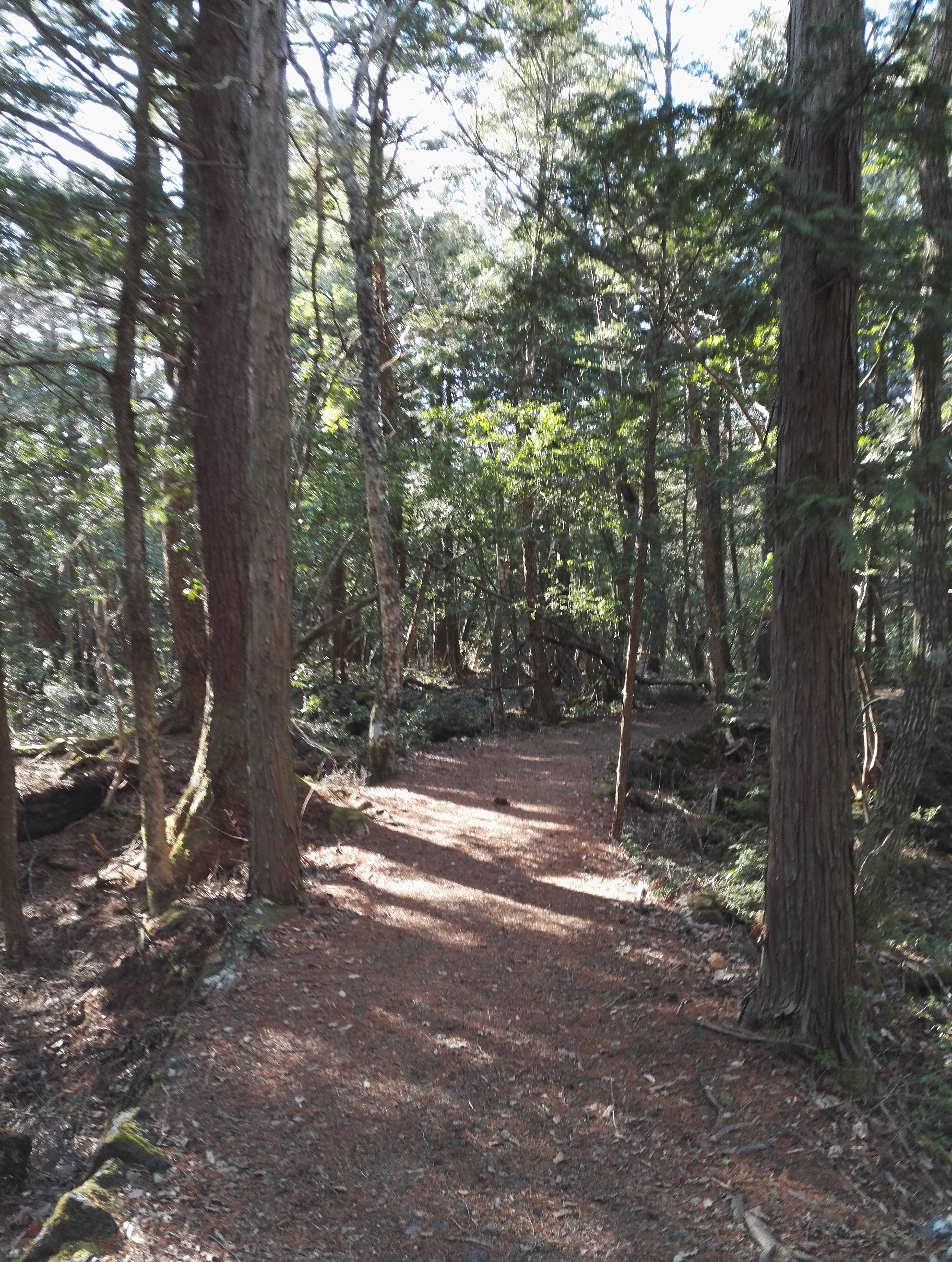
Aokigahara forest, the ‘Sea of Trees’ at the foot of Mount Fuji has always been associated with spirits, but ever since the 1960 novel ‘Tower of Waves’ by Seicho Matsumoto described an ill fated couples ending their lives there, the forest has earned a more infamous reputation as Japan’s suicide forest. If you can get past that morbid thought, it’s a nice place to visit, with well marked trails, interesting cave systems to the South and views of Lake Saiko to the North.
Kanazawa
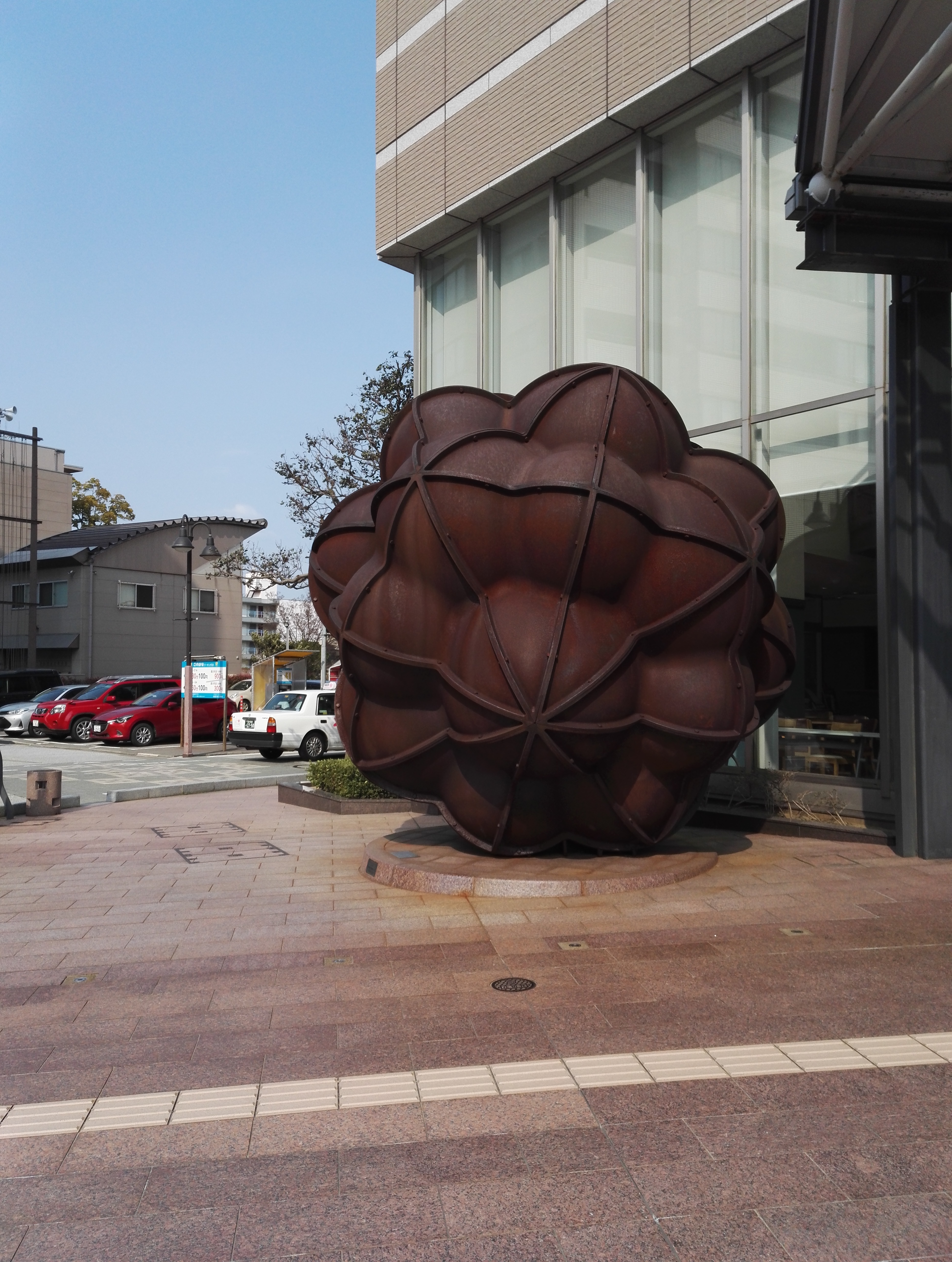
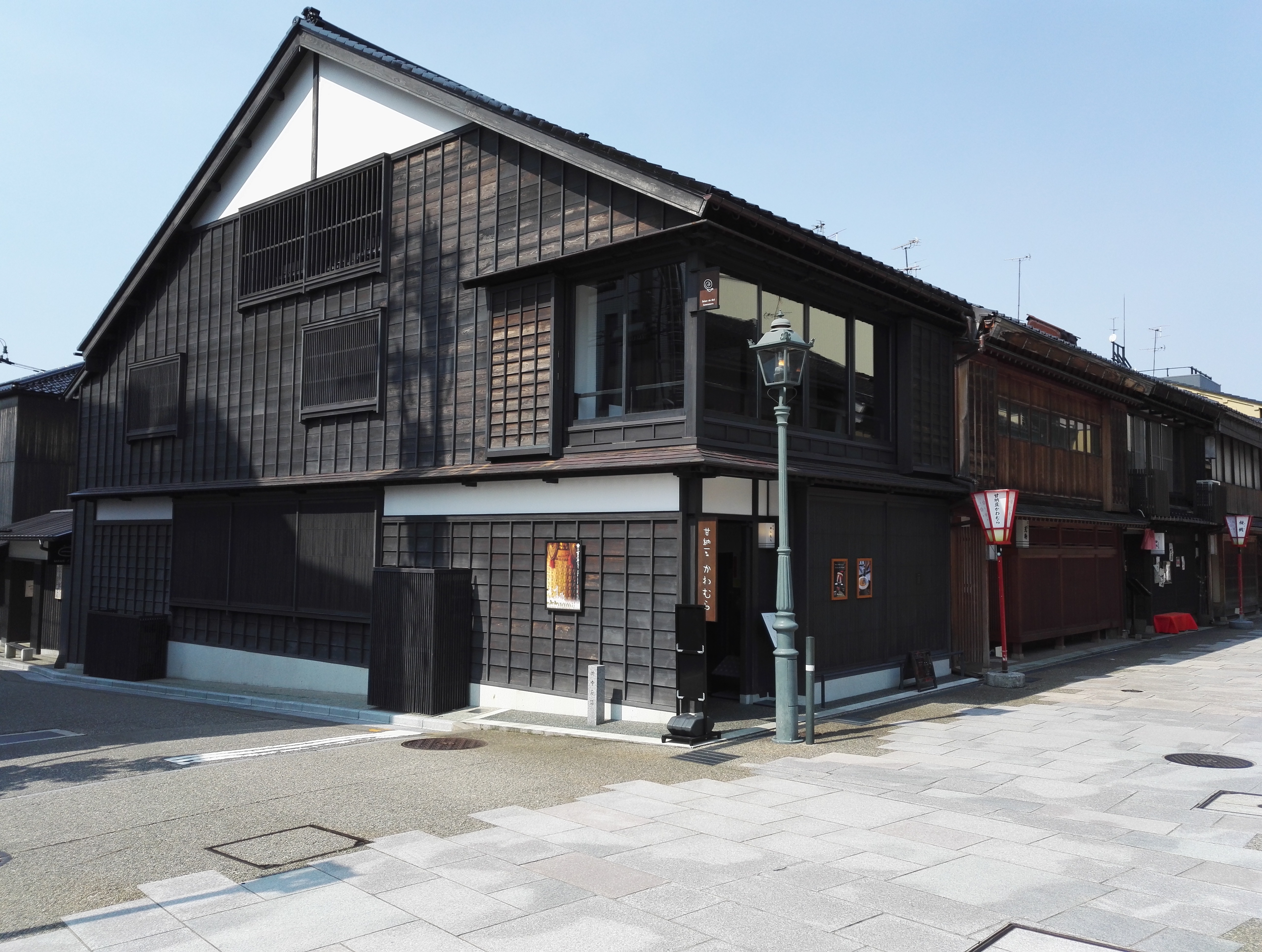
Kanazawa has been nicknamed ‘little Kyoto’, as it has well preserved samurai and geisha districts, a medieval castle and a Zen garden. The city is famous for displays of contemporary art, and there are a lot of bronze sculptures to be found scattered around the city, the station terminus is an impressive piece of architectural art too.
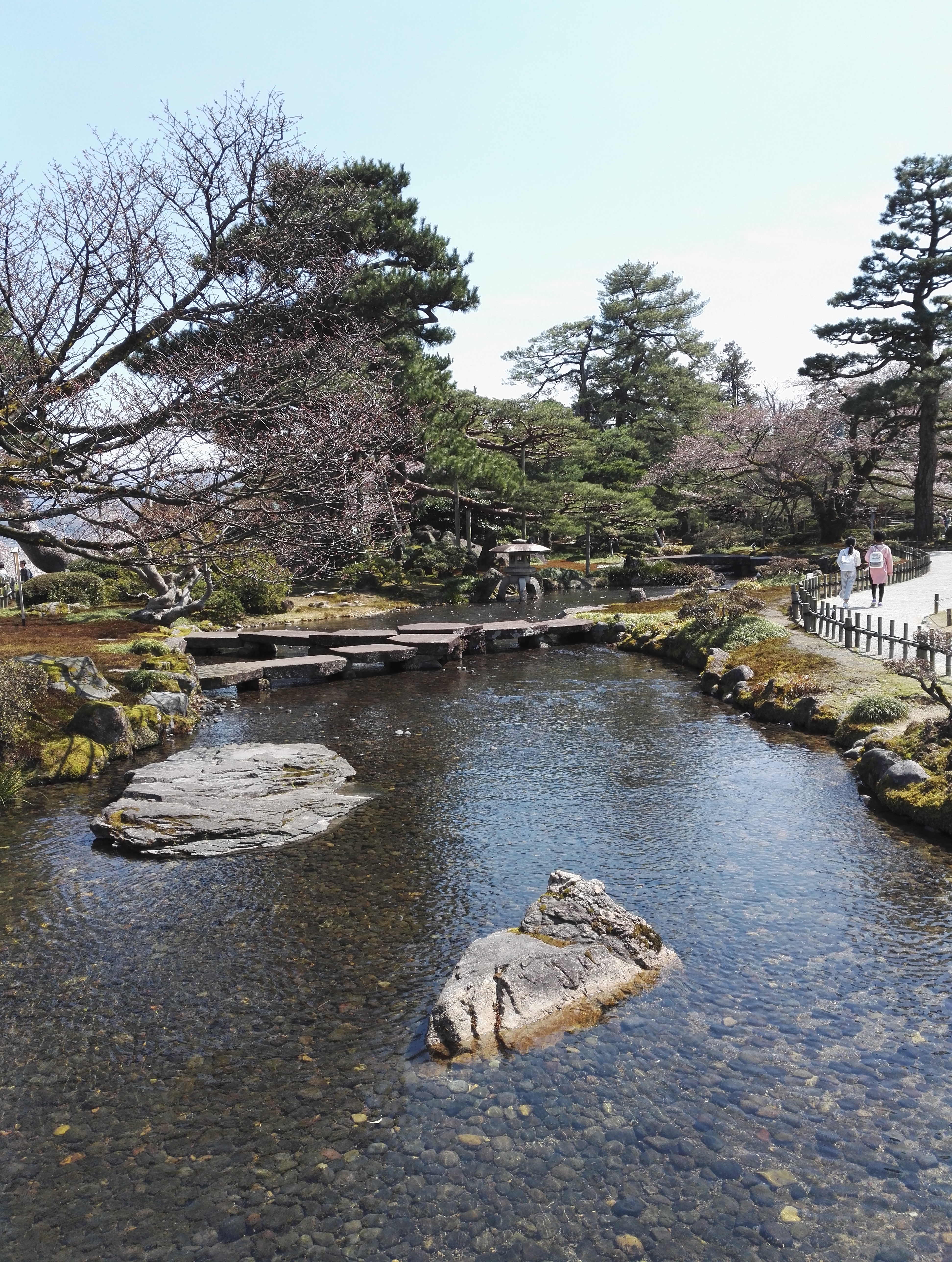
Kenrokuen garden is one the ‘Three Great Gardens of Japan’. The foot paths, water features, bridges and plants are laid out to create amazing vistas but also provide secluded corners. It is a popular destination for tourists, so you may need to wait a while before getting that perfect photo here.
I found Kanazawa a great alternative to booking accommodation in Kyoto, which books up quickly and can be quite expensive. The Thunderbird express train runs between Kyoto and Kanazawa, taking just over two hours. Eventually this journey will be covered by Shinkansen, the line was being extended south of Kanazawa when I visited but will take several years to complete.
Nagano
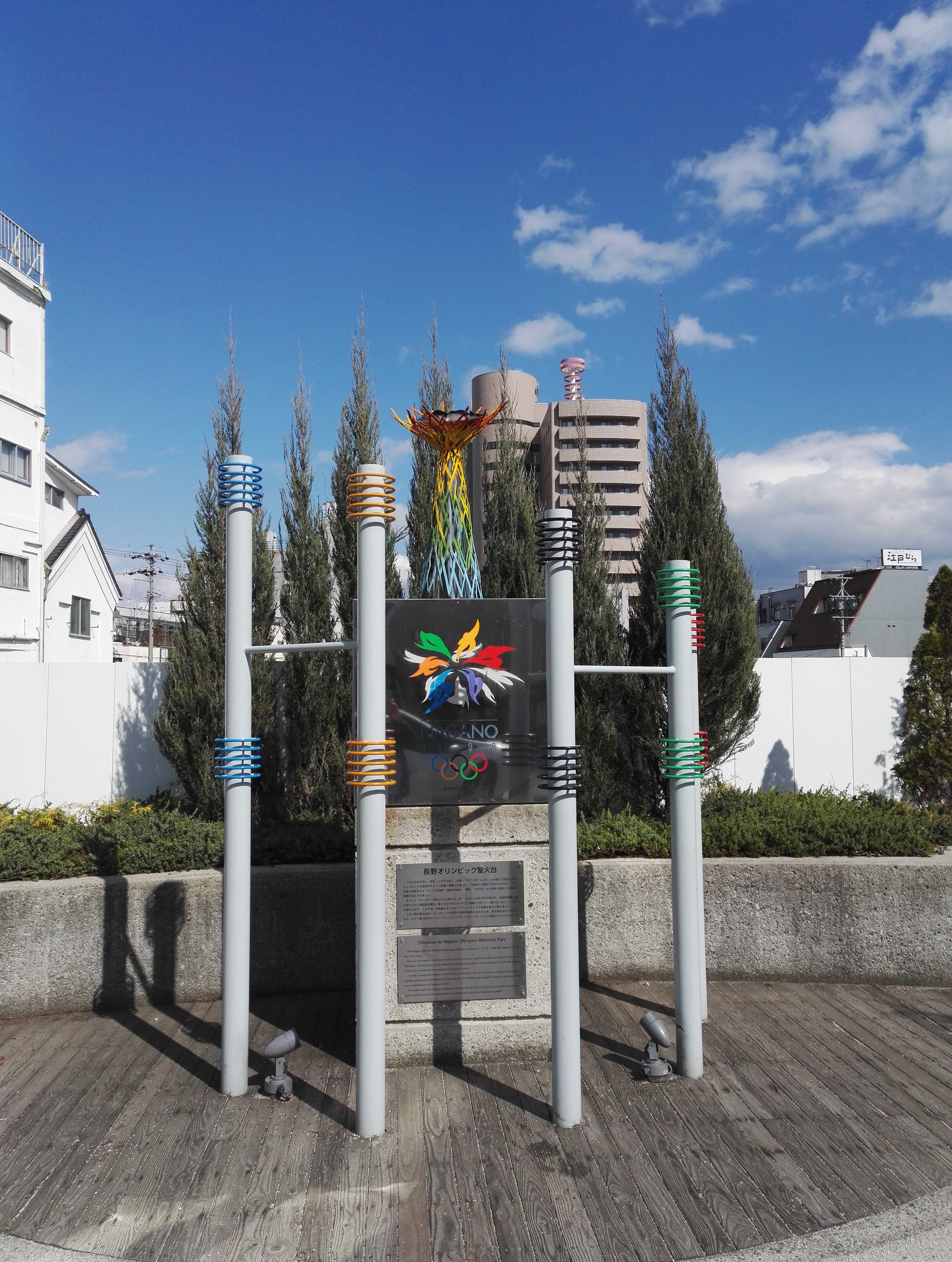
Nagano is famous for its ski resorts and hosting the 1998 Winter Olympics, an honour more usually associated with Sapporo in Japan. Situated in the middle of the Japanese Alps, on the Shinkansen line from Tokyo to Kanazawa, it is accessible from most parts of the country. If you want to see Snow Monkeys, the Jigokudani Monkey Park is 20 km east of Nagano, around 30 minutes walk from Yudanaka station.
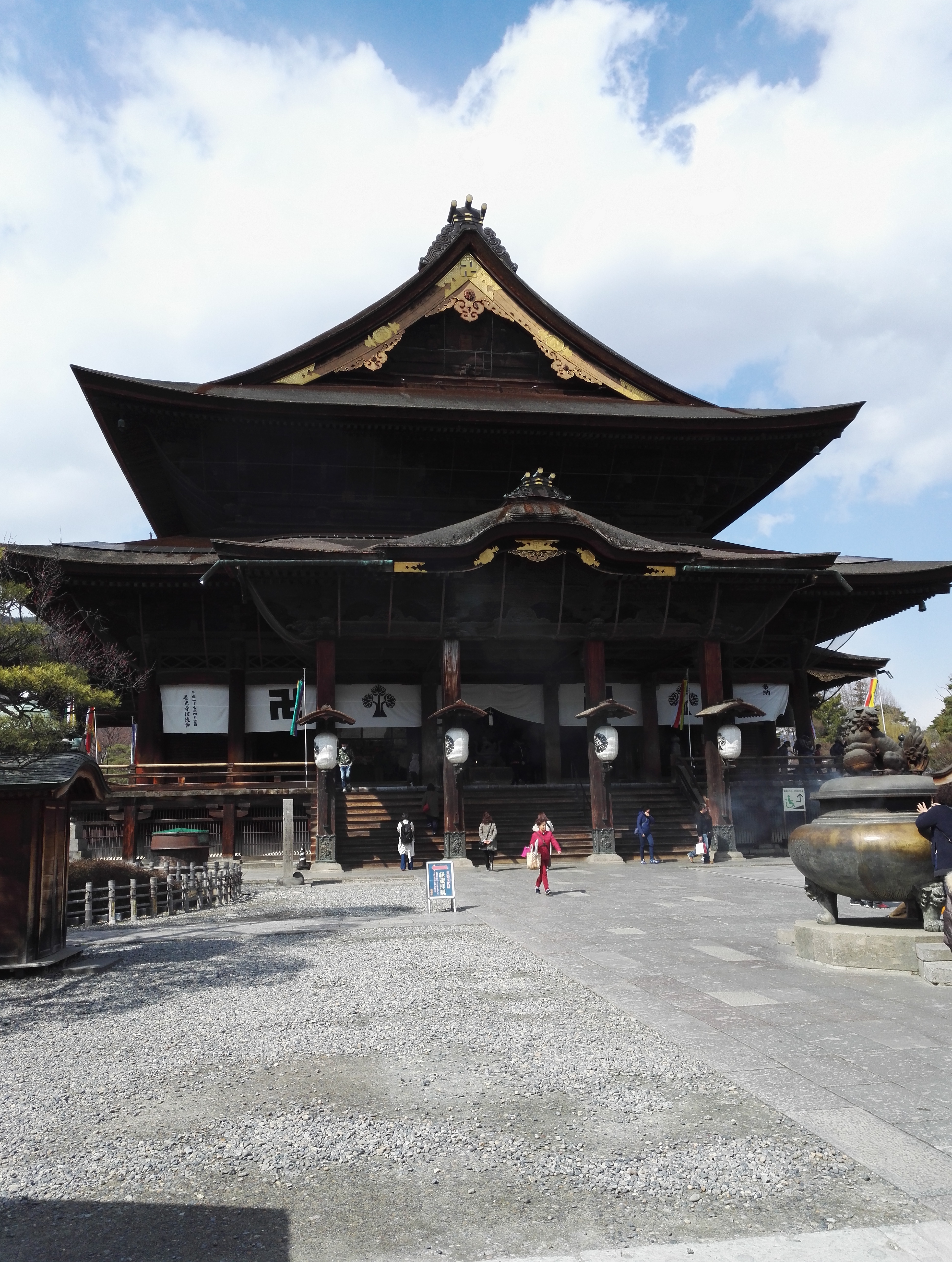
A couple of kilometres north of Nagano station is the Zenkoji temple complex, which is regarded as a Japanese National treasure. Also known as the Yoshimitsu temple, it is one of Japan’s oldest Bhuddist temples and is named after my second favourite Soulcalibur character (I wonder if there is a Taki temple)! The main religious icon stored here, is a hibutsu (secret Bhudda) which is not allowed to be displayed to the public or to anybody, a replica of this statue is shown, but even this is only displayed every six years. I missed it.
Matsumoto
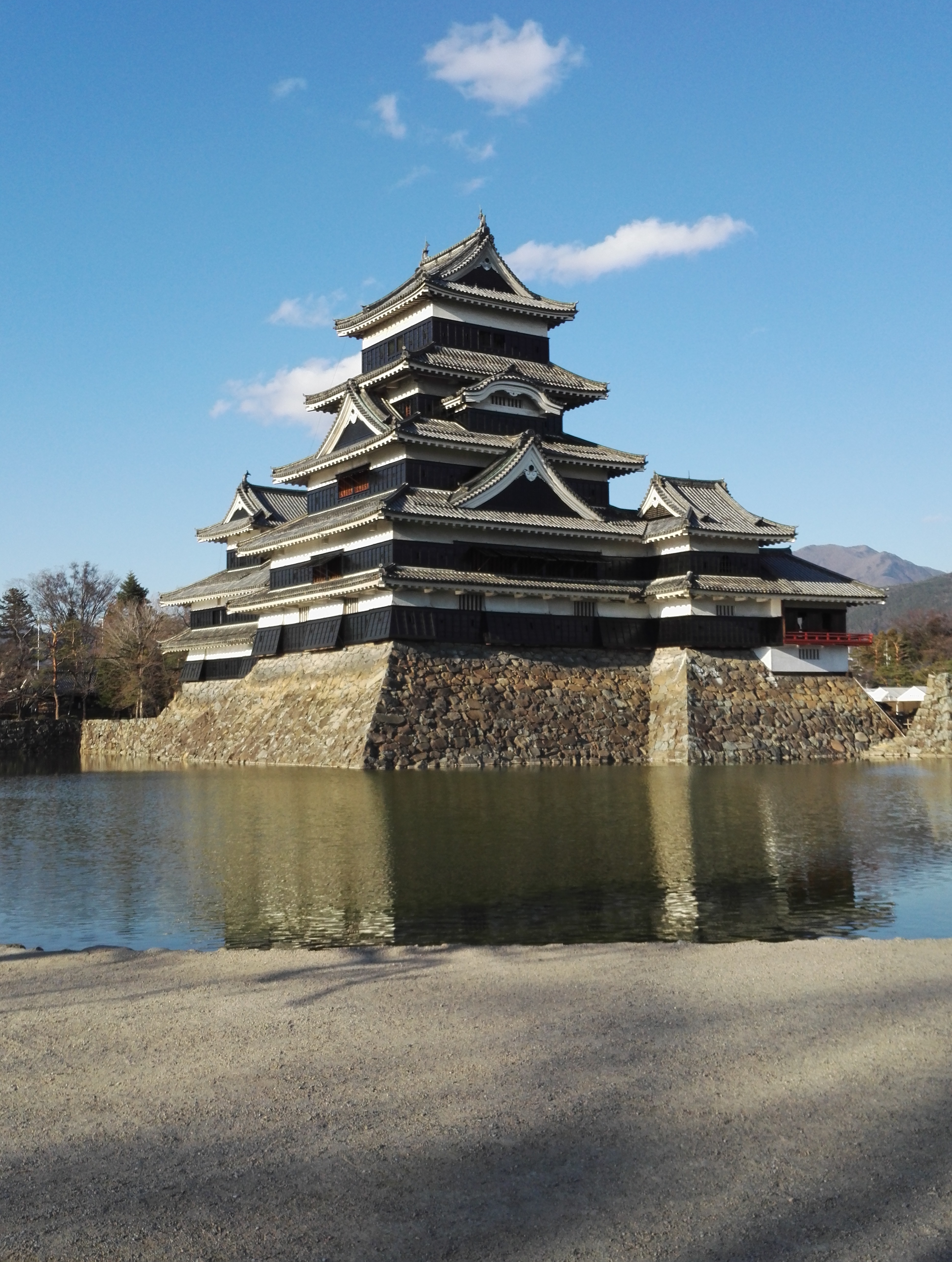
My trip to Matsumoto to see the Black Crow, one of Japan’s most spectacular castles was interesting. There are regular express trains running from Nagano to Matsumoto, but instead I jumped on the local train, which was driven by the most relaxed train driver in the world.
Local trains give way to express trains, they are slow, there are no conductors at some of the small stations, you can pay the driver when you get off. The price you pay is shown on a notice board at the front of the train and goes up at each stop. At one point we were stuck at a red signal, so the driver reversed backwards half a kilometre to the previous station and let everybody get out to take photographs.
Matsumoto is a small city with one of the most beautiful castles that I have ever seen. The castle is within walking distance of the station and the route takes you past some interesting artisan stores. There is also a large statue of a Ninja toad, but the less said about that the better.
At the end of the day I had an unexpected trip to Nagoya. Unexpected because I arrived at the station expecting to catch the express train back to Nagano and misread the destination. Rather than wait at the next station to come back again on the local train, I just kept going. In the end I got back to the hotel an hour or two later, but as trains is Japan are comfortable, it was a mini adventure.
 Twintail