
Shinjo and Fukushima
Broadly speaking trains in Japan are punctual and keep to their published schedules, but no system is perfect and even one of the most efficient railways in the world has its off days. One of these coincided with a minor misunderstanding on my part, in which I mistakenly believed that the Yamagata Shinkansen terminated in Yamagata.
I therefore found myself on a Shinkansen heading North to Shinjo in the middle of the Tokohu region, instead of South to Fukushima. I wasn’t too worried; if the Shinkansen goes to Shinjo, there must be something there and it was only an hour journey time! So, I watched the scenery pass by for a few hours and then a few more as the train got progressively slower and slower.
When I arrived at Shinjo mid-afternoon, it was shut. There is a park a few kilometres from the station, but there were no convenience stores, the local shops were closed and the streets deserted. A statue near the station, which opens to show a figurine inside looked interesting for a while, but when I went back to photograph it, this too had shut. I headed back to the station and waited for the next train south to Fukushima, as there were no trains going anywhere else.
Fukushima is, of course, perfectly safe to visit; radiation levels are normal and you would get a larger dose of gamma radiation on a long distance flight than from visiting the power station exclusion zone but tourists still stay away from the city.
At the station, the departure board was telling me that there were two trains leaving from the same platform at the same time for different destinations, and after a few minutes I worked out that my train was parked behind the twenty carriage train I was looking at and due to leave straight after, which meant that I needed to rush down the incredibly long platform until I found the right train.
Some days on a trip everything goes wrong, but you just have to suck it up, adapt your schedule if necessary and keep going.
Yamagata
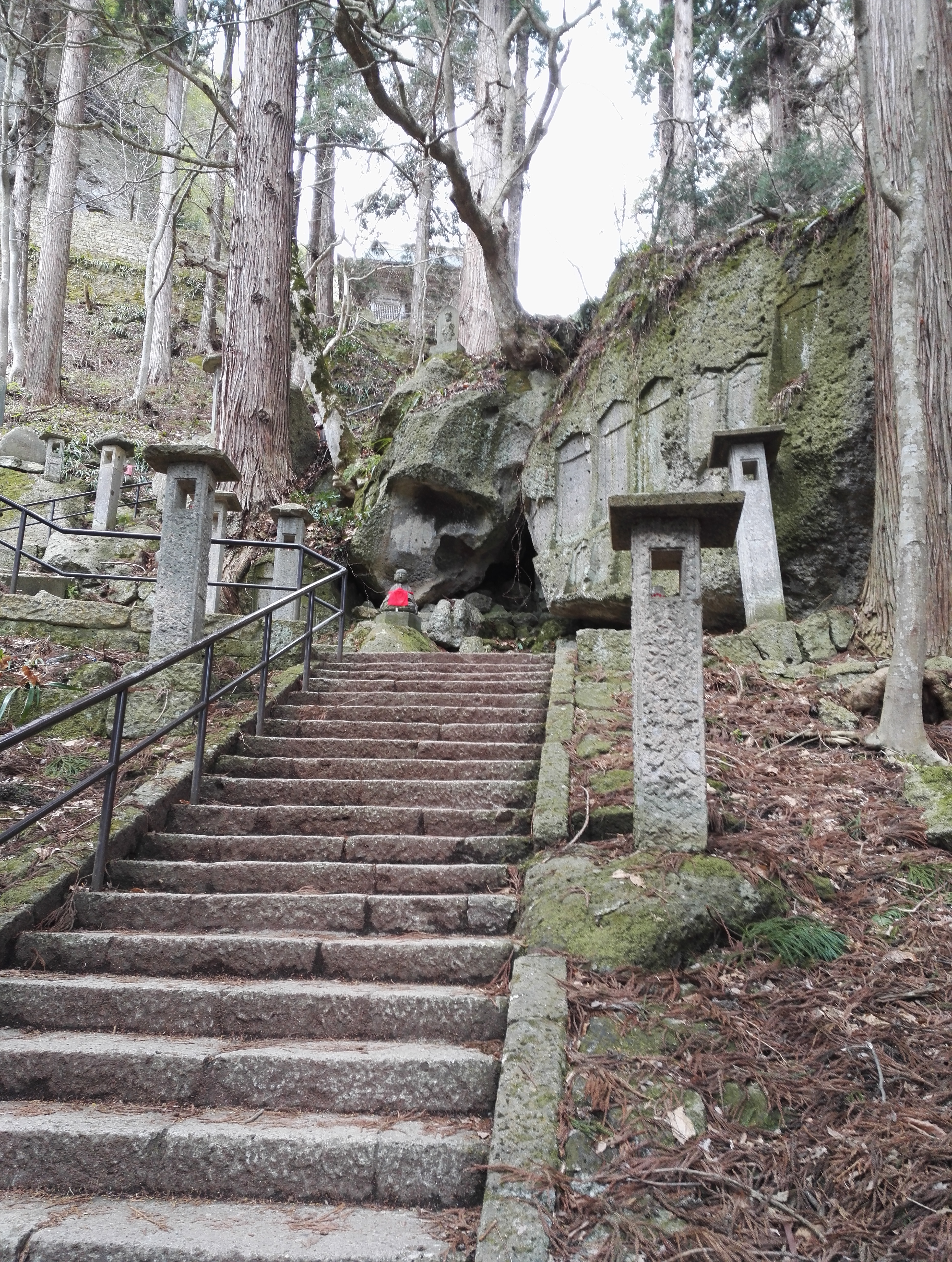
I visited a lot of temples, shrines, and castles on my trip to Japan. Almost every one of them was to be found at the top of a mountain. If you are in any doubt as to the way to the nearest National monument, if you run into a hill or a lot of stairs, its probably up there. Nobody building these ever said, ‘hey, lets build this one on the beach’!
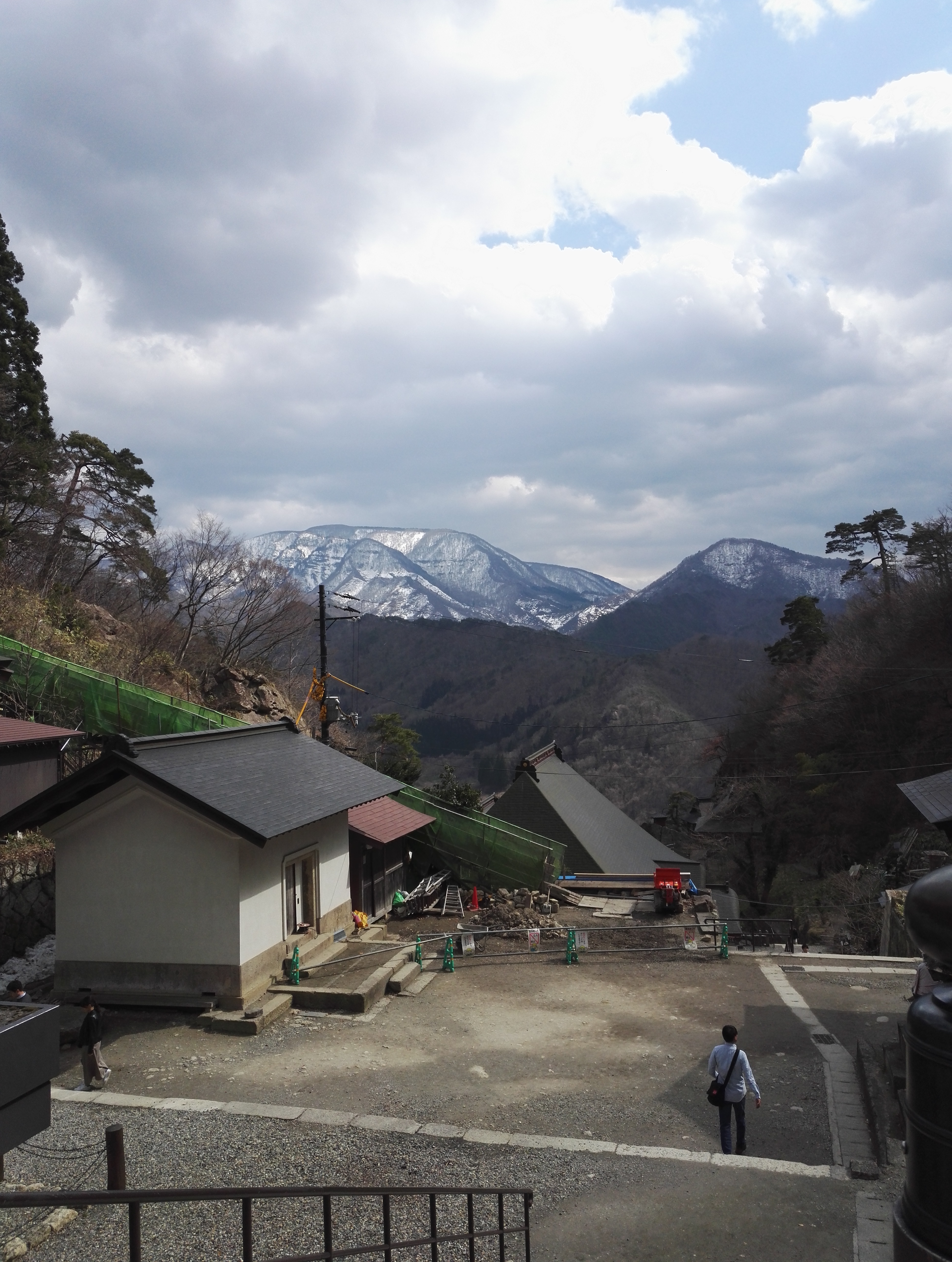
On the outskirts of Yamagata on the branch line to Sendai is Yamadera, where perched on top of a mountain, is the iconic Hojuzan Risshaku Bhuddist temple. The views from the top are spectacular and its well worth heading up. There is a small fee to get in and around 1000 steps to the summit. Its reassuring to know that there is a defibrillator (AED) available on site, if you need it, but it is in the temple at the very top of the mountain!
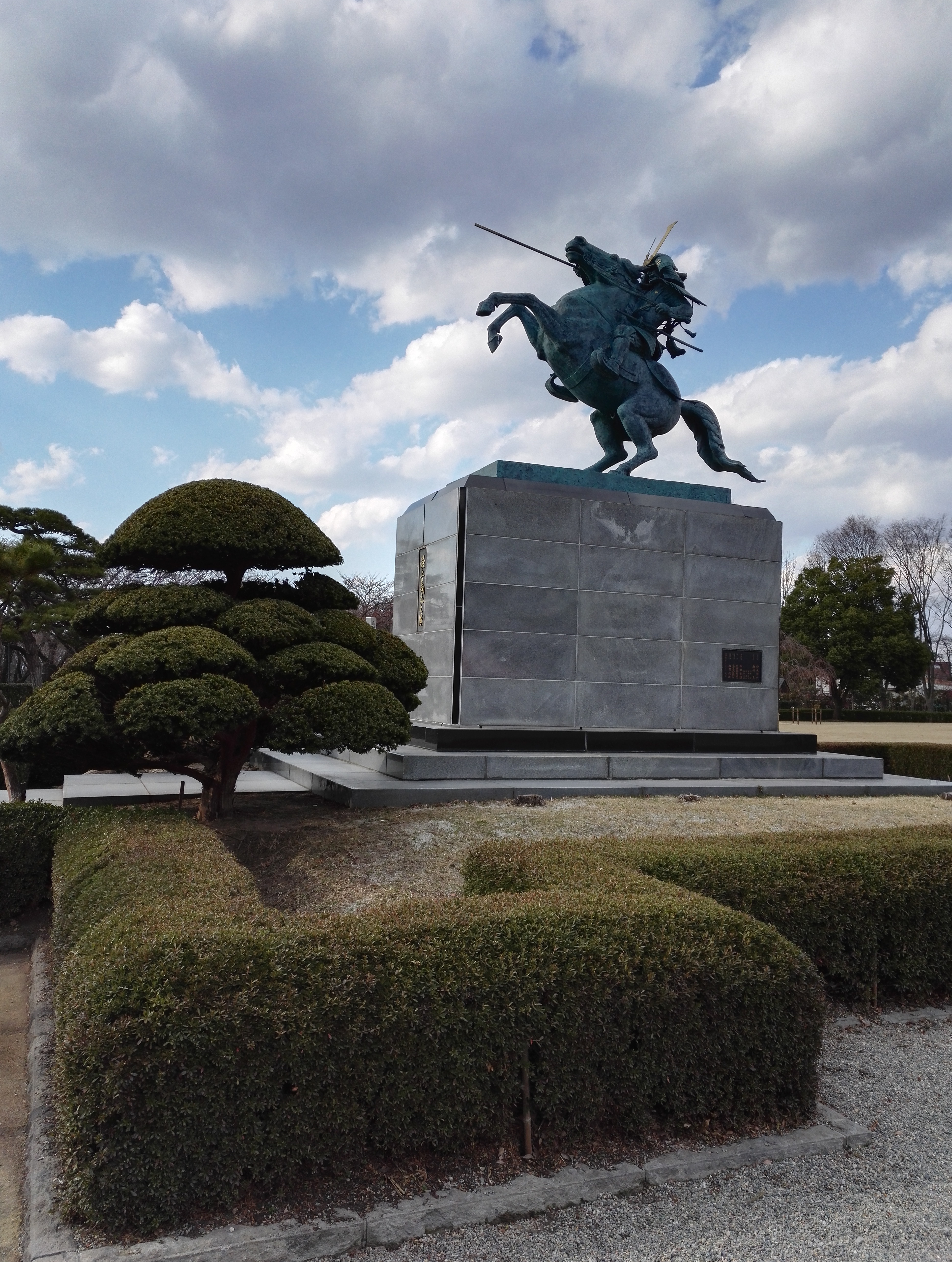
Yamagata is a pleasant city centred on Kajo Park. The park is a good spot to see Sakura blossoms in spring, and has a castle which is currently being renovated, there are also a couple of interesting museums. It is a nice place to take a stroll and the views of the surrounding mountains are good.
Sendai
When I was younger, I spent a lot of time playing Final Fantasy VII on the Playstation, and in the game the best weapon was the Masamune sword, which was based on a real Katana used by legendary Japanese ruler Date Masamune.
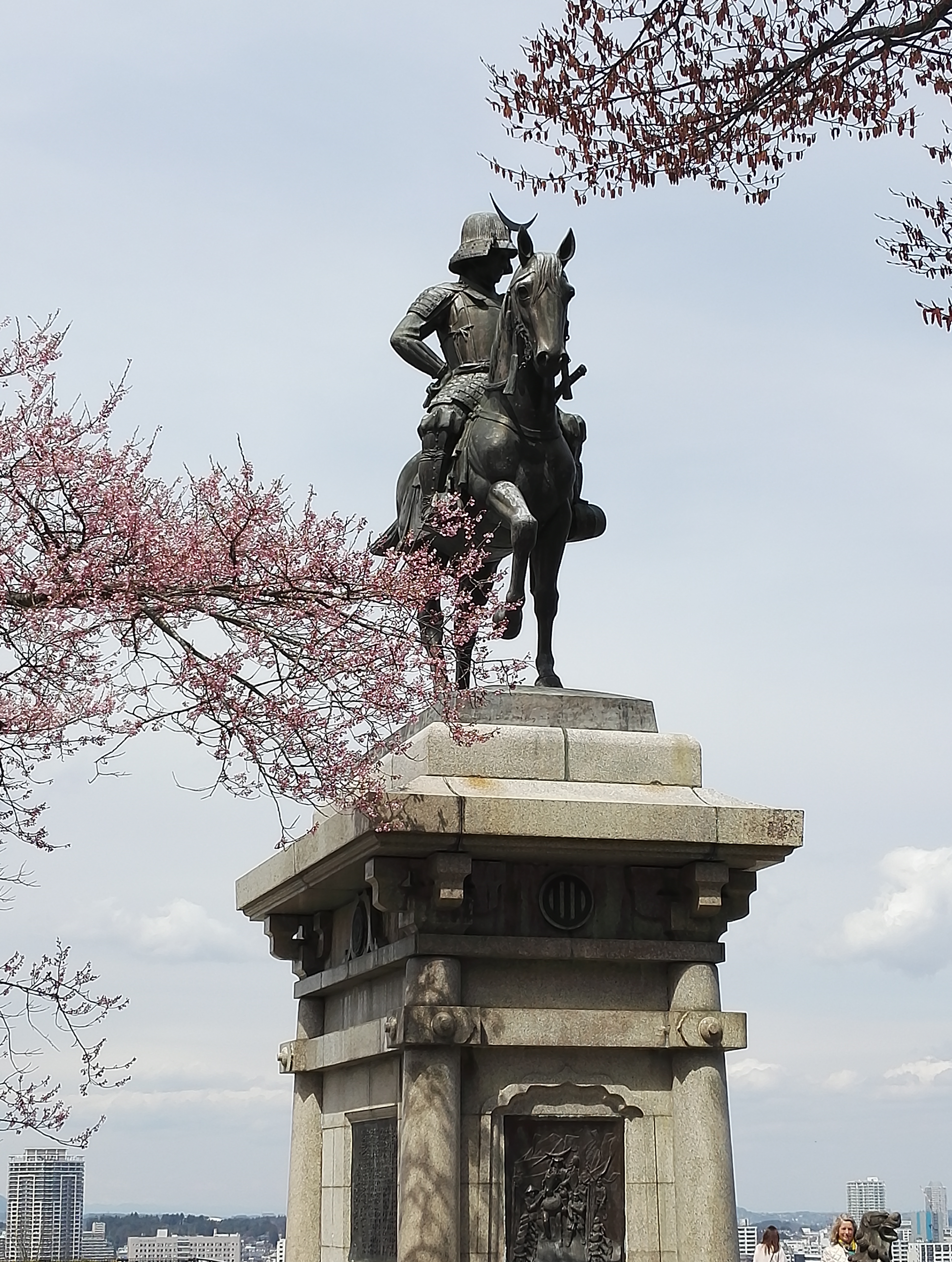
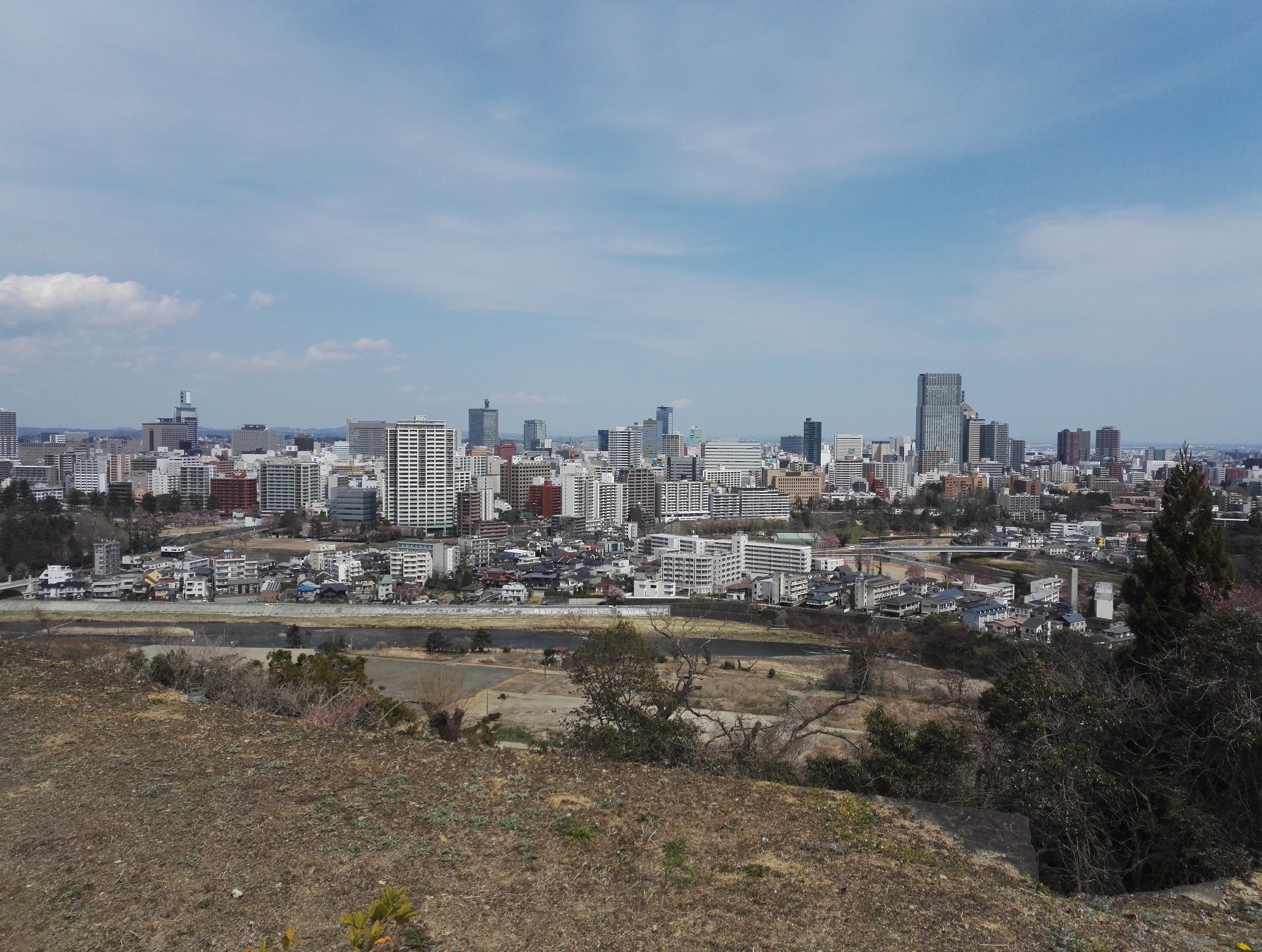
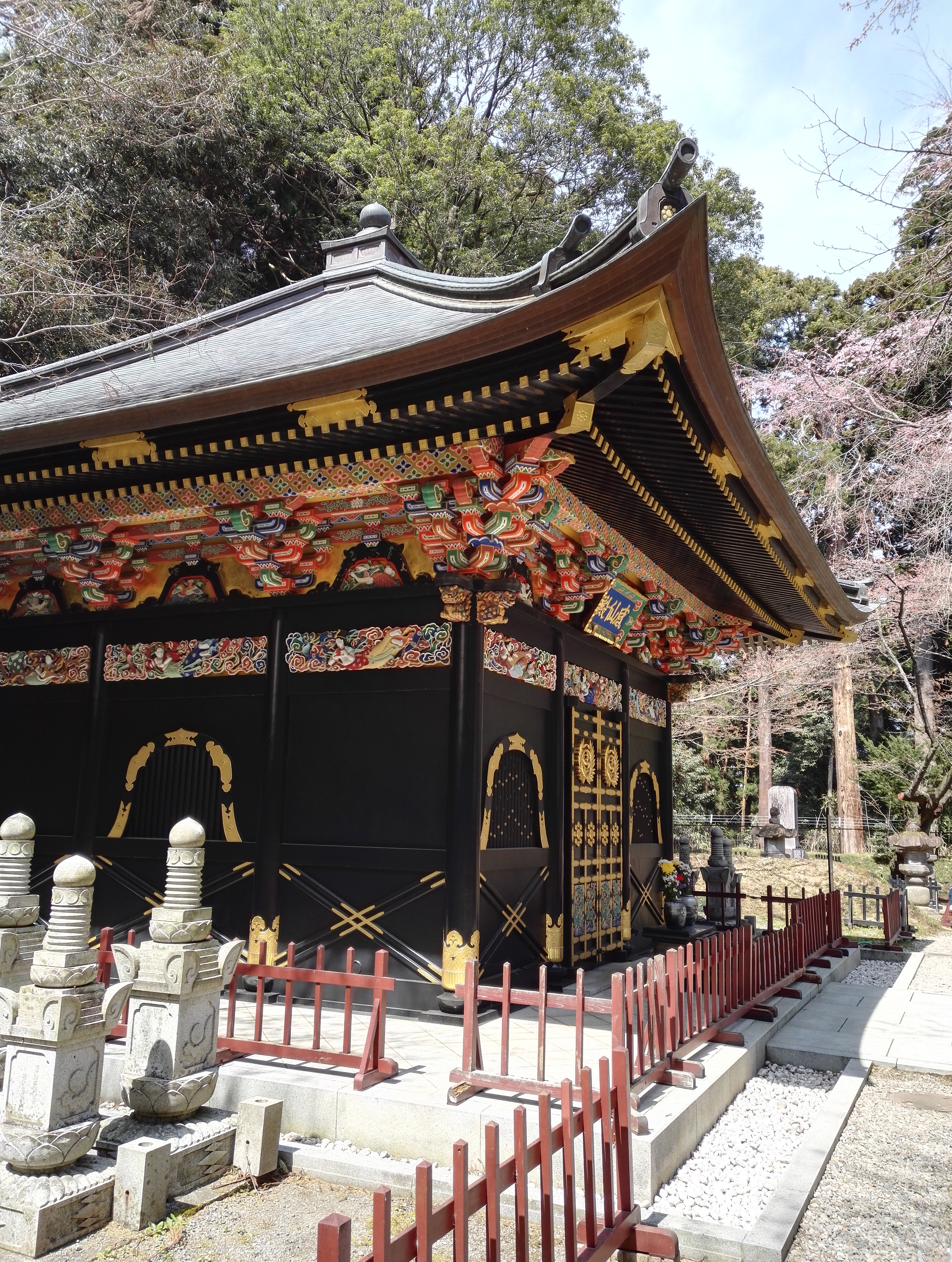
Masamune founded Sendai in 1600, and there are lots of tourist attractions related to him and the Date family including a castle, mausoleum, museum and statue of Masamune. A tourist bus called the Loople runs from Sendai station to the major attractions in the city, you can purchase a day pass for this or use a Suica/Icoca card.
 Twintail