
Nagasaki
As I climbed off the train at Urakami, I thought that this unremarkable high street could be any medium sized Japanese town. Around me people are going about their daily business, the day is warm and it is cloudy, much like the 9th August 1945, when the US detonated a second atomic bomb over Japanese territory; as Urakami district was the epicentre of the Nagasaki atomic bomb blast.
About 1 Km north of the railway station you can find the Peace Park, the Nagasaki Atomic Bomb Museum, Hypocenter Park and a Hall of Remembrance for all those that lost there lives that day. The museum is well worth a visit, if only to make it clear that a future without the threat of nuclear war would be the best for all of us.
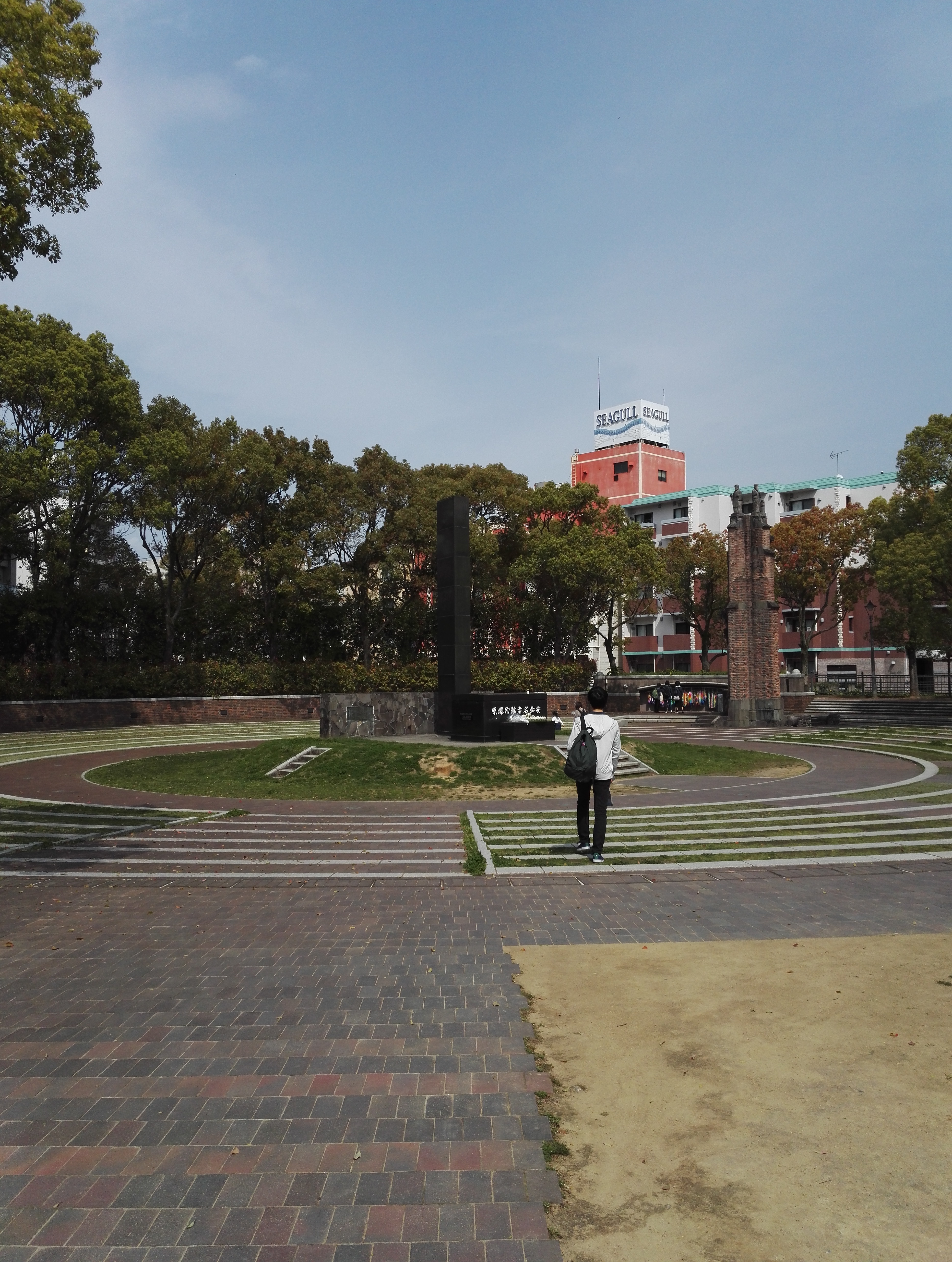
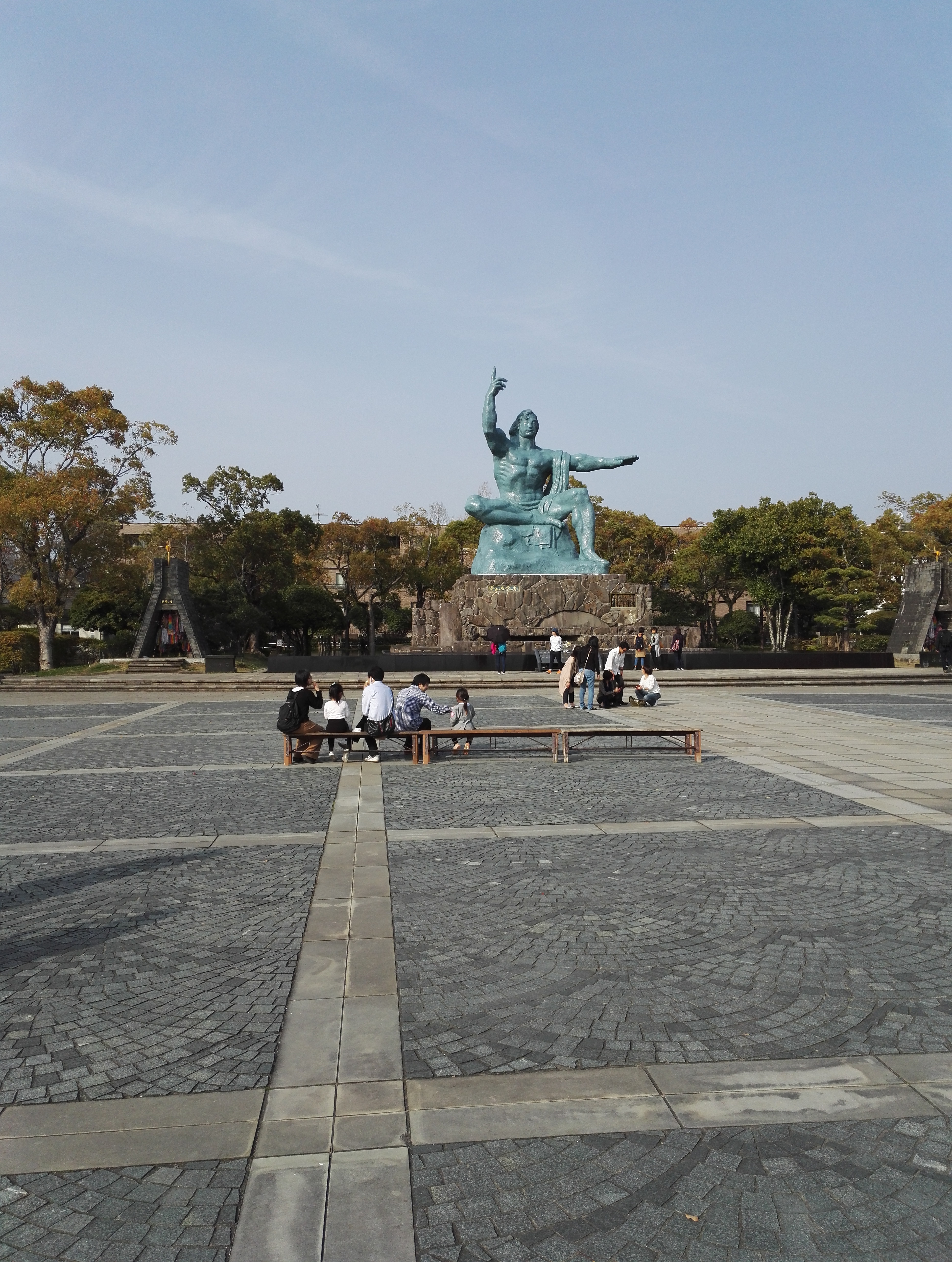
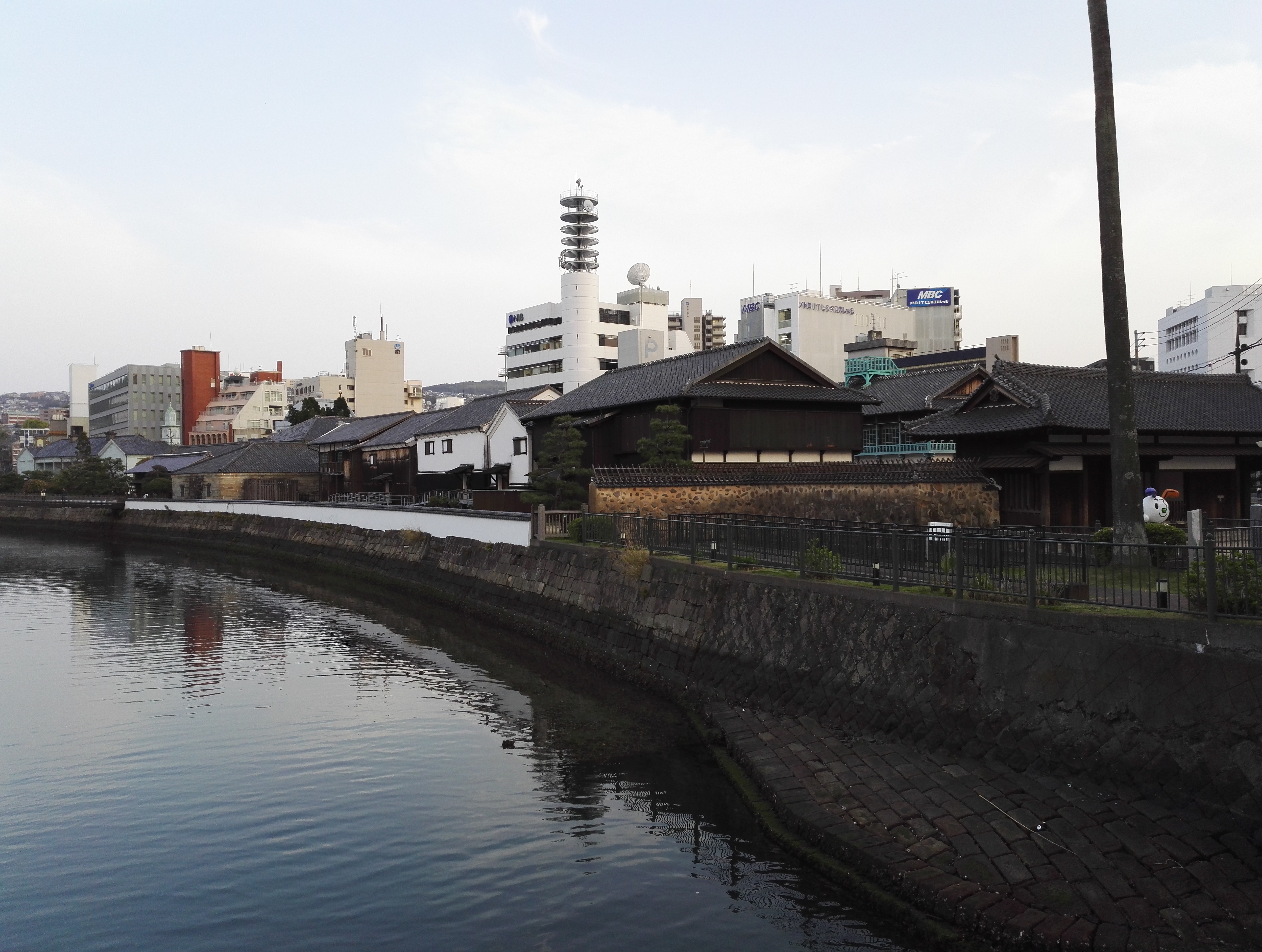
Nagasaki is on the west coast of Kyushu and was once the only point of contact between Japan and the rest of the world. To prevent the spread of Christianity, Europeans were confined to a fan shaped island called Dejima in Nagasaki Bay. The Dutch East India Company took over Dejima from the Portuguese and used it to import goods from Indonesia and India to Japan. Today the island of Dejima has been recreated with Dutch style buildings and interesting museums.
Kokura
Kokura was originally selected as the target for the second US atomic bomb, but due to heavy cloud cover it escaped that fate. Today the town is part of the Kita-Kyushu mega-city but has managed to retain much of its charm.
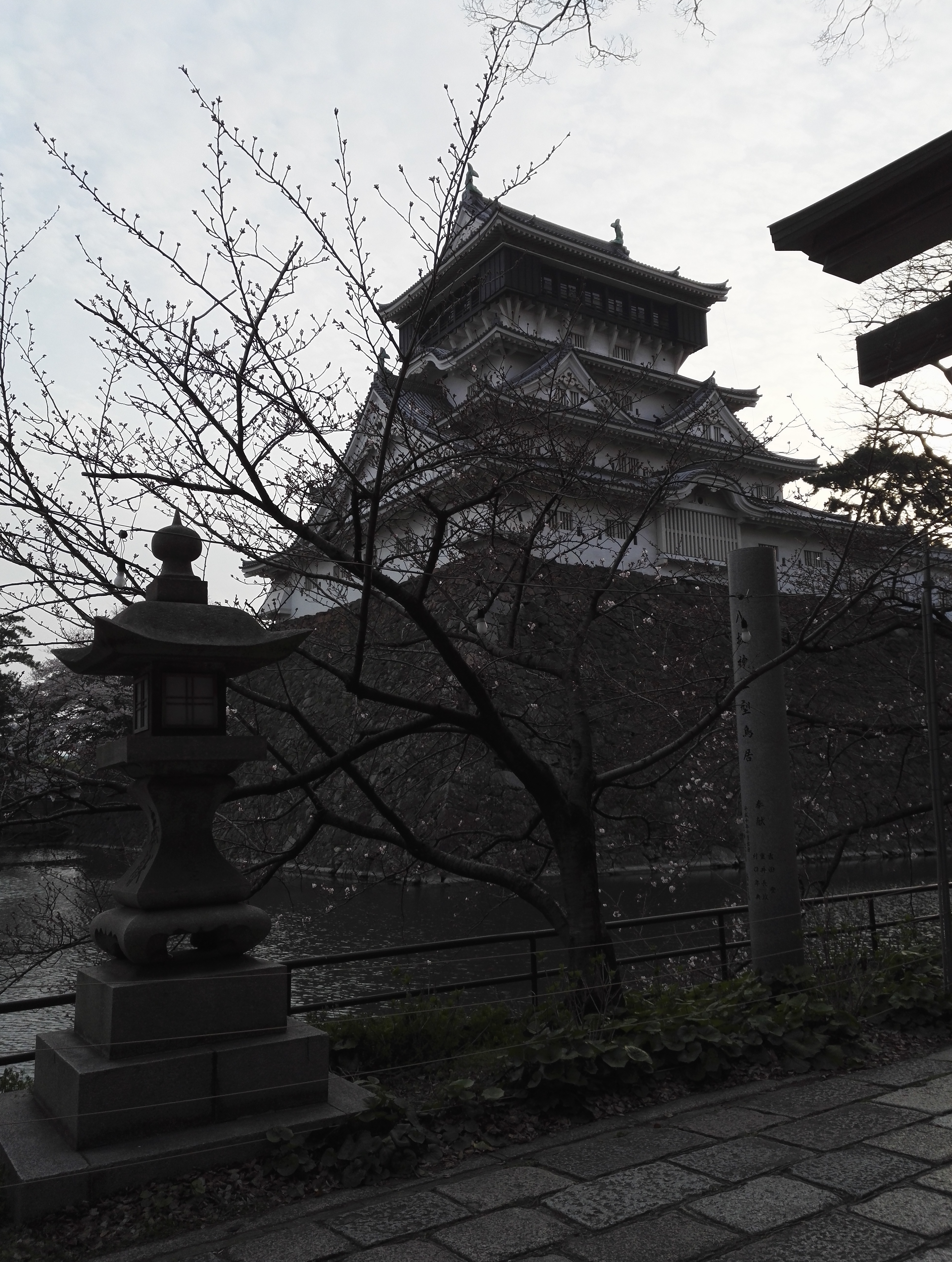
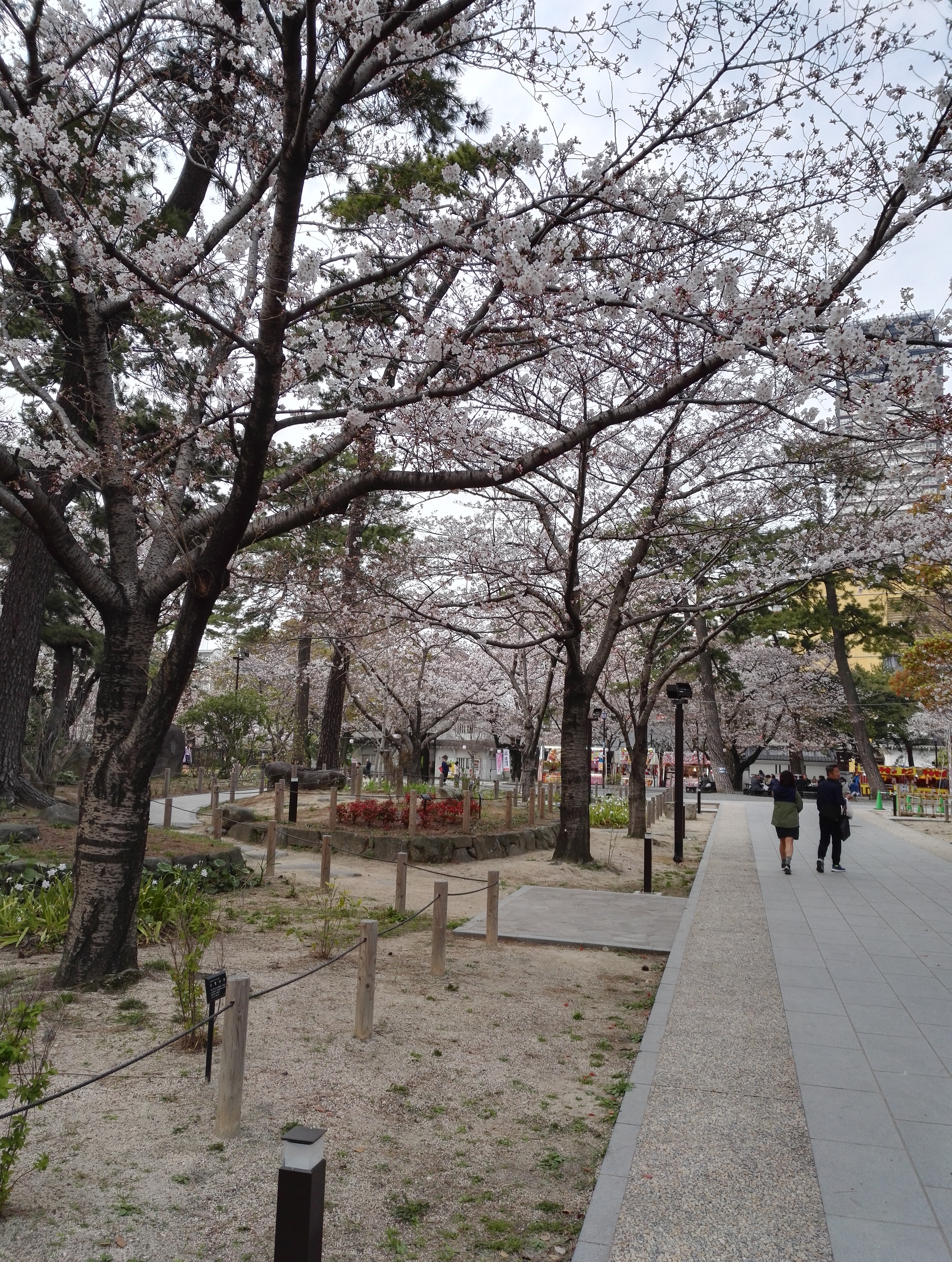
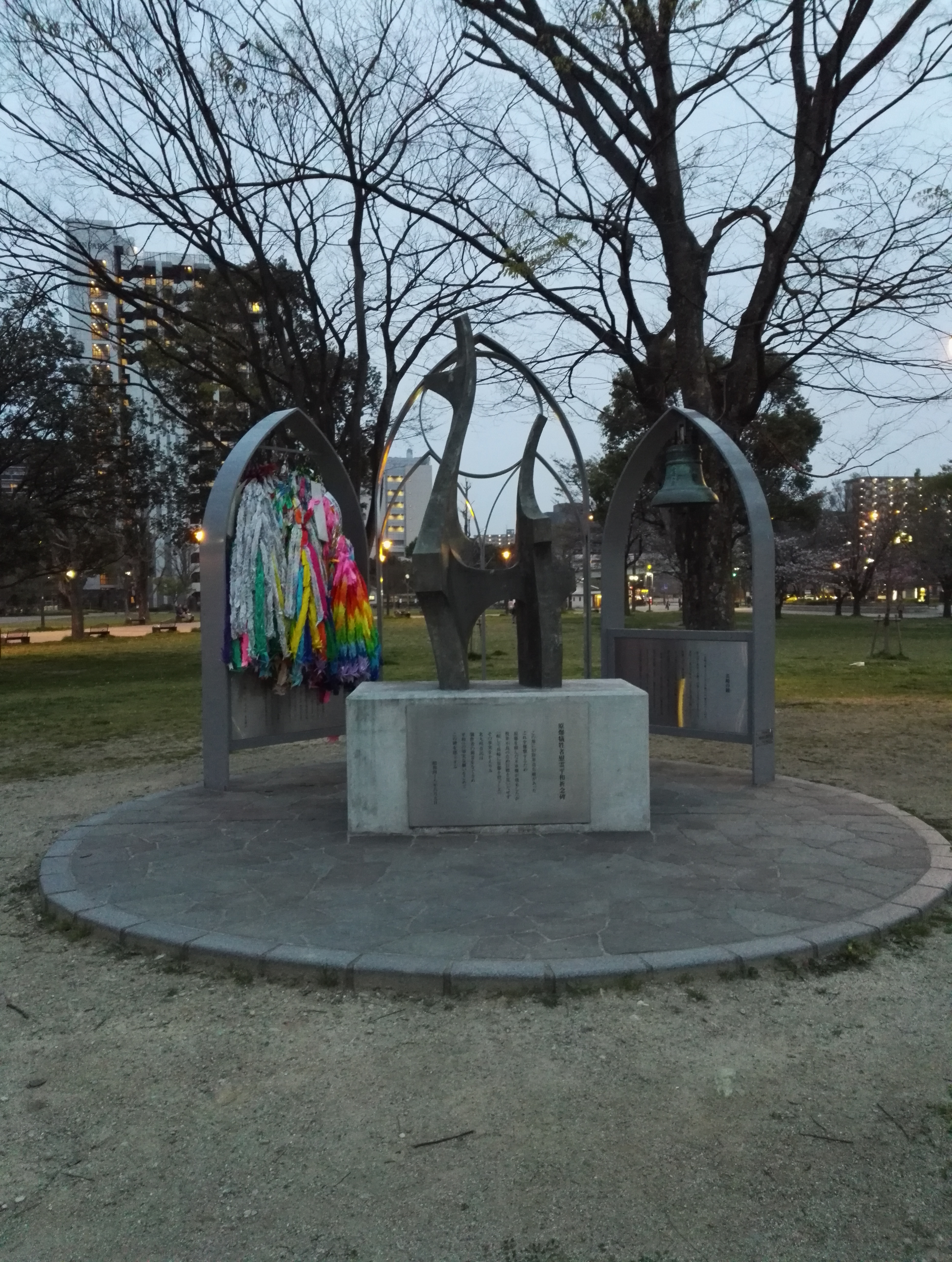
In the centre of Kokura, within easy walking distance of the Shinkansen station, there is a small castle surrounded by Katsuyama parkland which is an excellent place to see cherry blossoms in Spring. A copy of the Nagasaki memorial bell is situated close to the castle, as a reminder of the fate that could have befallen Kokura. A very pleasant walkway has been built by the river leading to Kitakyushu Mall.
Beppu
The town of Beppu on the east coast of Kyushu, is an onsen and hot spring town. It has a very touristy feel to it. The traffic lights in the town play music when it is safe to cross, and I’m pretty sure that one of the tunes was [あたいの爪痕] by Japanese Death Metal band ‘Necronomidol’. I had to cross that road several times to be sure, I hope none of the locals were watching.
The Beppu Hells are natural hot springs, combined with some fairly tacky attempts to extract tourist dollars from visitors. They are around 3-4 km from the station, so its probably better to catch the bus, rather than walk to the visitor centre, as its uphill all the way.
There are seven hells which are accessible with a group ticket but there is very little to see at a few of the locations (one is just a crocodile farm, for example). Only one or two of the sights are worth the price of admission, the Red Hell and the geyser spring to mind. There are several hot springs to relax your feet in but I found these luke warm at best (plus inconvenient if you didn’t rent a towel).
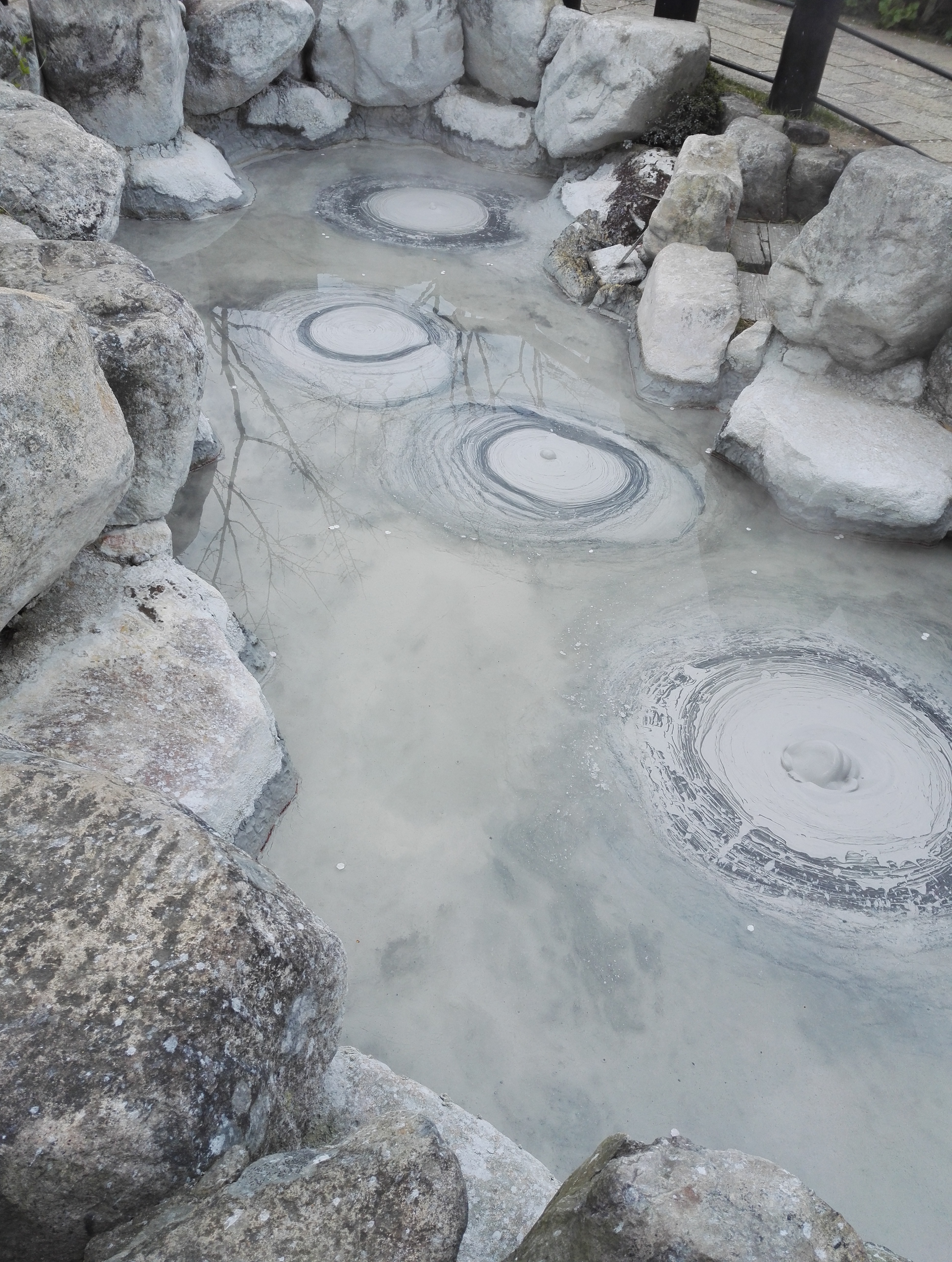
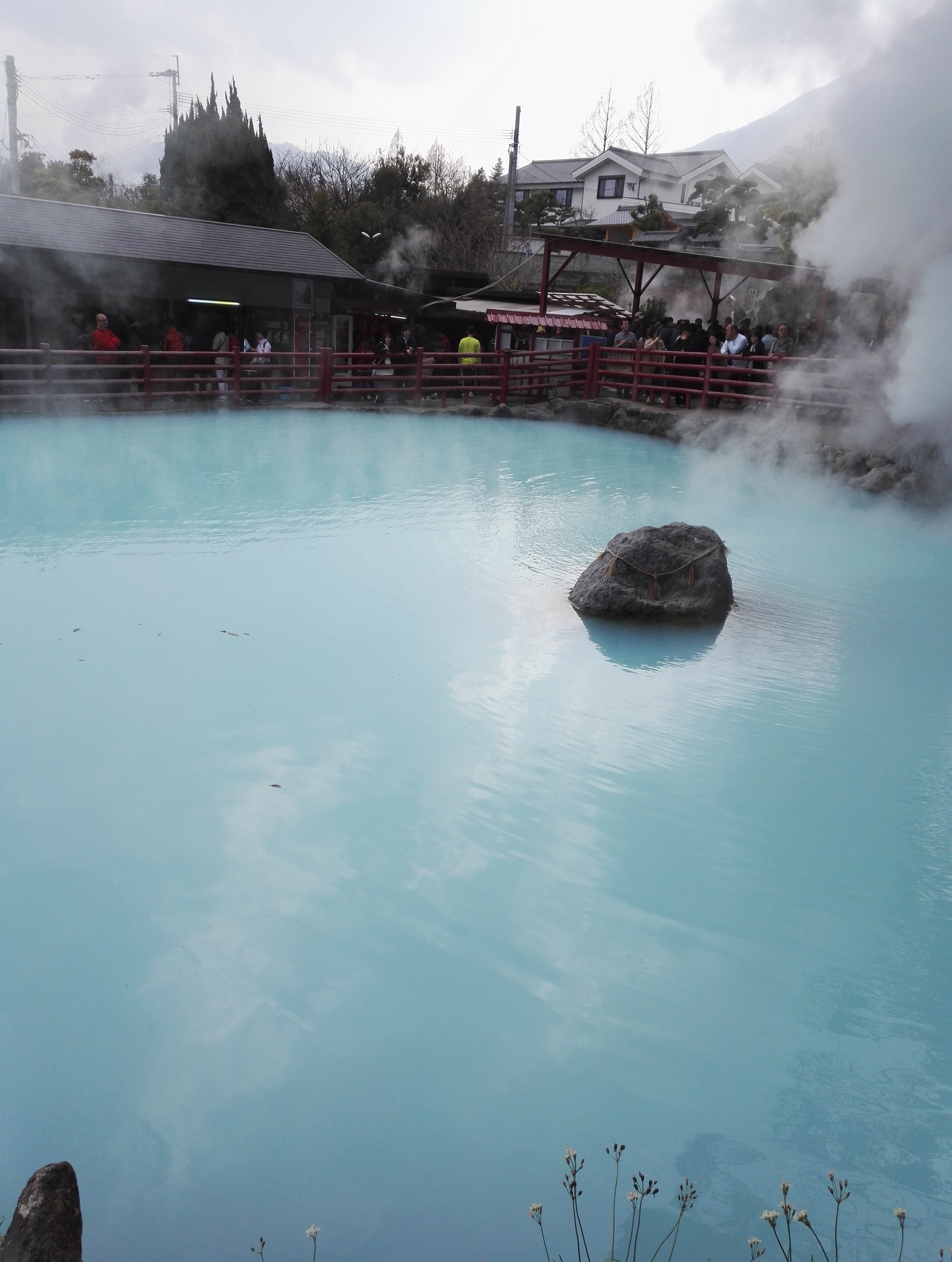
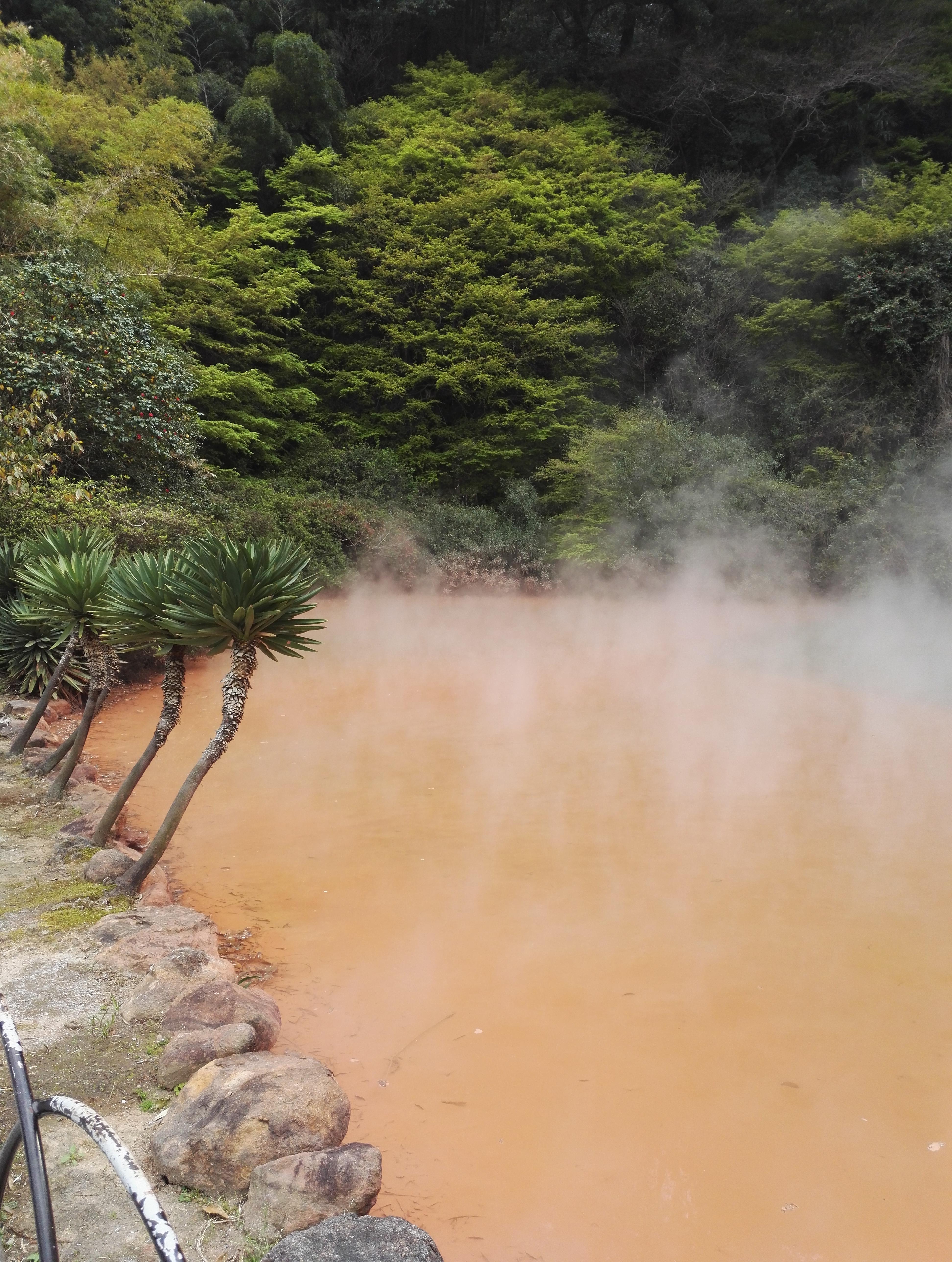
All in all Beppu is a pleasant day out if you are interested in seeing some natural volcanic springs but not a must see in Kyushu for me.
 Twintail